
167,794
residents
18.3%
aged 65 or over
22%
under 18
8 of 10
socio-economic level
01 · People
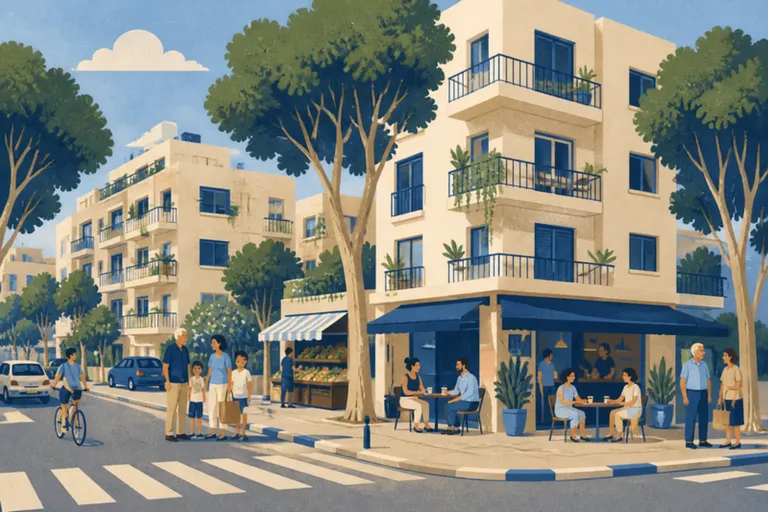
Mostly secular, with Iraqi Jewish roots
Synagogues of many traditions, from Iraqi to Ashkenazi. Religious families live mainly in Ramat Amidar, next to Bnei Brak.
- 7,500new immigrants settled here between 2014 and 2023
- ~1 in 2households rents its home (2022 census)
- 18%of residents are 65 or over, against 13% in Israel
02 · Schools
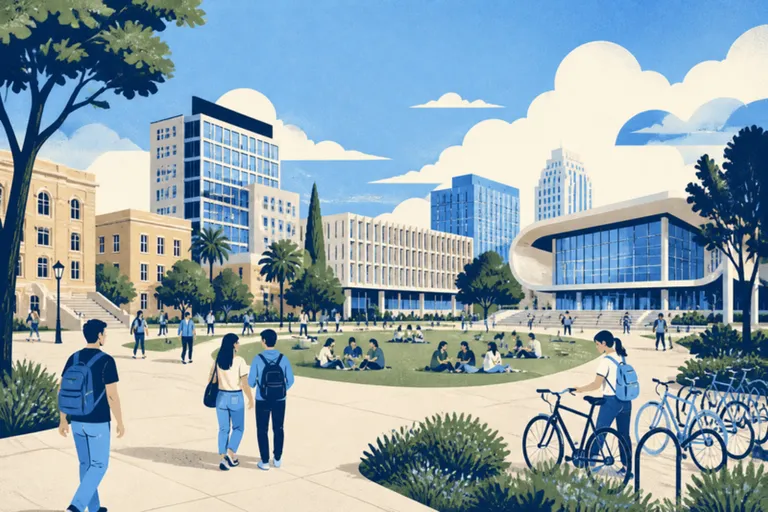
Bar-Ilan on the doorstep
Well-known high schools include Blich and Ohel Shem, and there is a centre for gifted pupils.
- 46schools: 37 state, 6 state-religious and 3
- Bar-Ilanone of Israel's largest universities, on the north-eastern edge
- 3more colleges, among them Shenkar for engineering, design and art
03 · Getting around
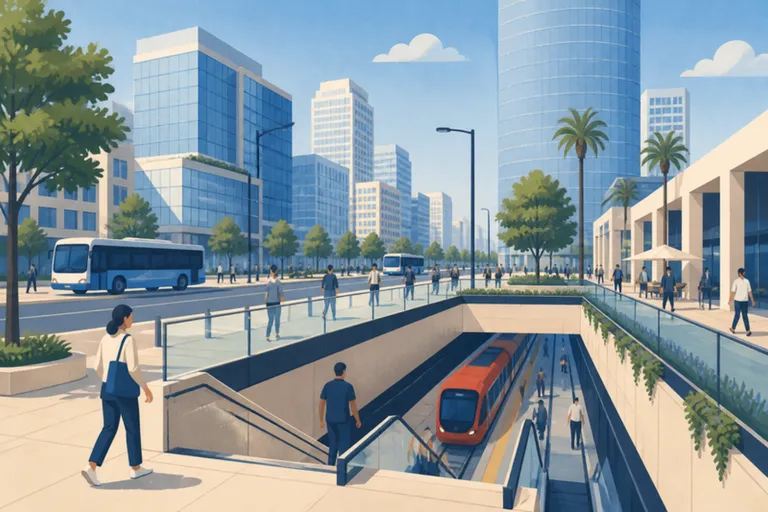
On the Red Line, next to the Ayalon
Ramat Gan borders Tel Aviv and Bnei Brak, with the Ayalon highway on its western edge. The light rail does not run on .
- 2Red Line stops under Jabotinsky Road: Bialik and Abba Hillel
- ~2028the Purple Line is due, running to Sheba and Bar-Ilan
- SavidorTel Aviv train station, next to the Diamond Exchange district

04 · Everyday life
A safari park, a big park and diamond towers
The National Park is the city's big green space, with the Ramat Gan Safari next to it. The Diamond Exchange district is one of Israel's main business centres.
- ₪20,209average monthly wage in 2025, against ₪15,140 in Israel
- Shebaone of Israel's largest hospitals, at Tel HaShomer
- 8 of 10on the official socio-economic scale
05 · Neighbourhoods
Where to live in Ramat Gan
City Centre
ShopsRed LineThe old heart along Bialik and Herzl streets, with historic buildings, shops and the Red Line.
Homes in City CentreDiamond Exchange District
TowersNear the trainOffice and residential towers next to the Ayalon highway and Tel Aviv's Savidor station.
Homes in Diamond Exchange DistrictRamat Yitzhak
Since 1933LargeOne of the oldest and largest neighbourhoods, founded in 1933, with about 16,000 residents.
Homes in Ramat YitzhakRamat Chen
Private housesQuietA quiet area of mostly private houses, with about 7,000 residents.
Homes in Ramat ChenRamat Amidar
Religious communityNear Bnei BrakBuilt in 1949 for immigrants, next to Bnei Brak; it has a religious community and a .
Homes in Ramat AmidarHaBiluim
Religious familiesA southern neighbourhood of about 7,400 people, with religious families in its south-west.
Homes in HaBiluimNeve Yehoshua
Urban renewalNew towersFounded in 1946 for discharged soldiers and immigrants, now being rebuilt with new towers.
Homes in Neve YehoshuaTel Ganim
Private housesEnglish-speaking rootsBuilt in 1950 for English-speaking immigrants; mostly private houses, in the south.
Homes in Tel GanimKiryat Krinitzi
GreenA green neighbourhood from 1972, north of Tel HaShomer.
Homes in Kiryat KrinitziMarom Nave
Newer homesBuilt from the 1980s on a former orchard and finished in 2012.
Nahalat Ganim
HistoricBegan as a farming settlement in the 1920s and at first had a religious-Zionist character.
Homes in Nahalat Ganim
06 · Homes
Homes in Ramat Gan
Typical price
$997,000
Half of the homes ask less
Price per m²
$9,860/m²
Tel Aviv: $15,200/m²
Typical size
97 m²
Half are smaller
New this week
120
Listed in the last 7 days
What each size costs in Ramat Gan
Newest for sale
See all 2,303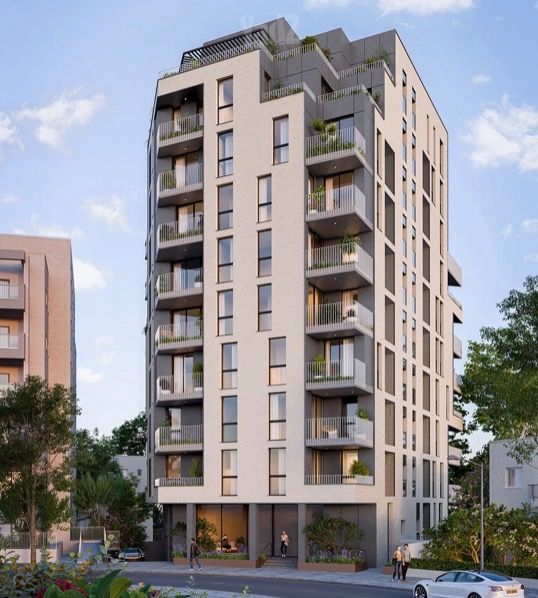
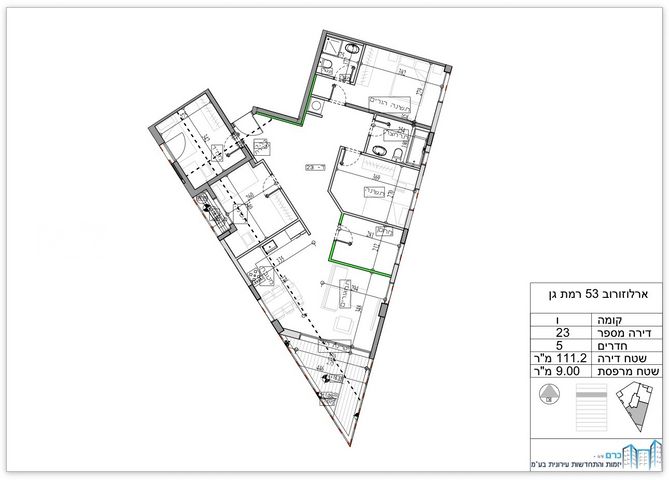


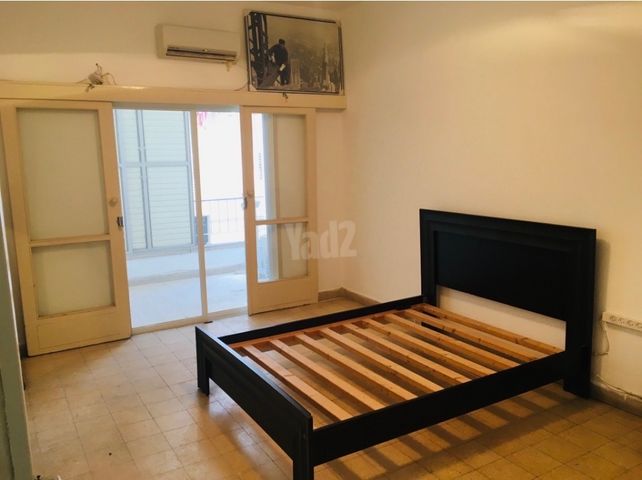
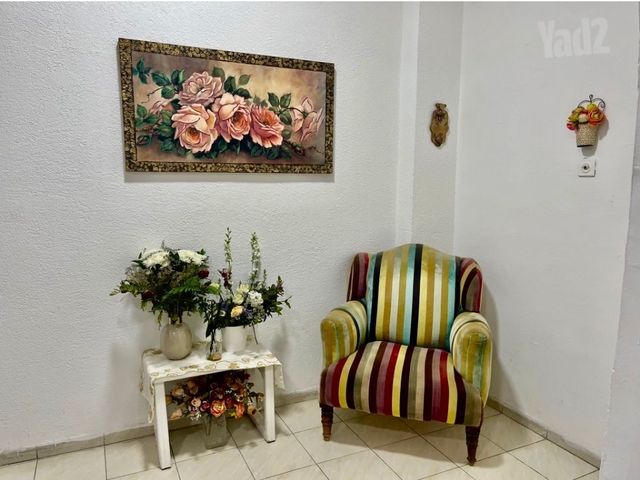
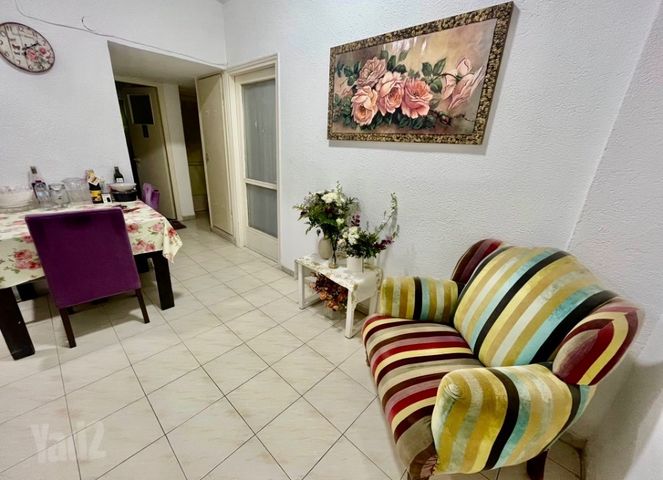
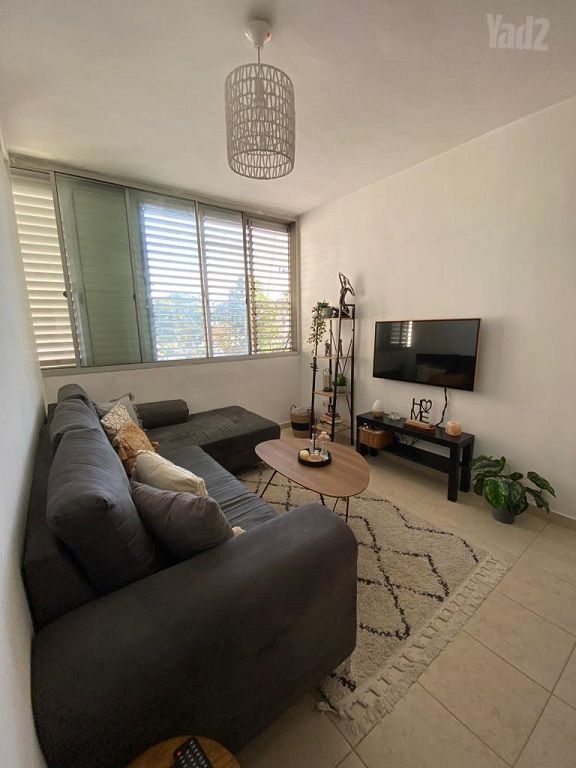
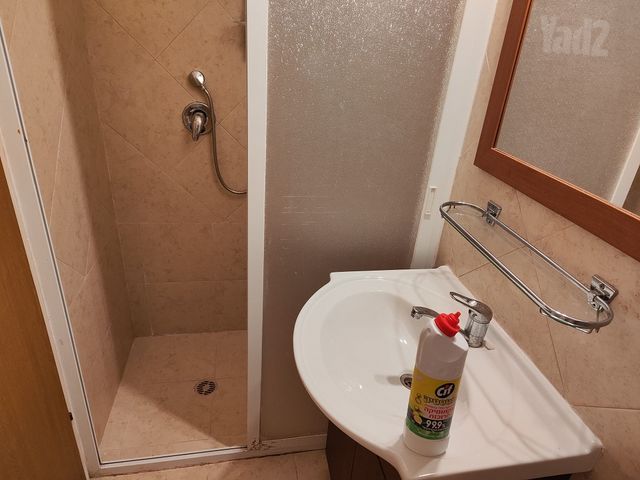
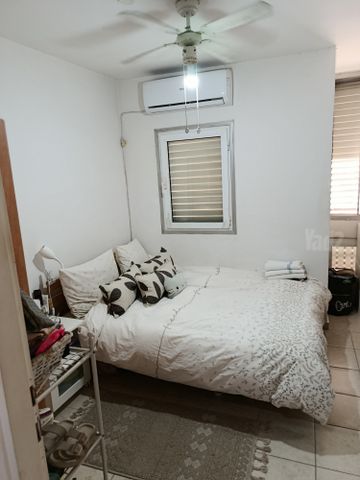
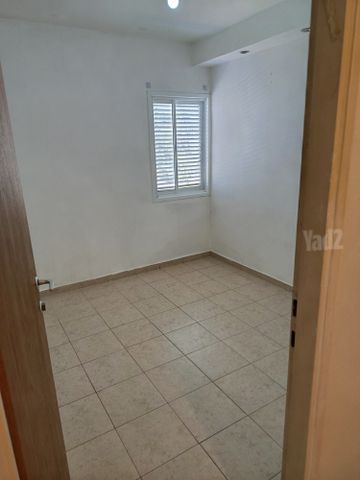
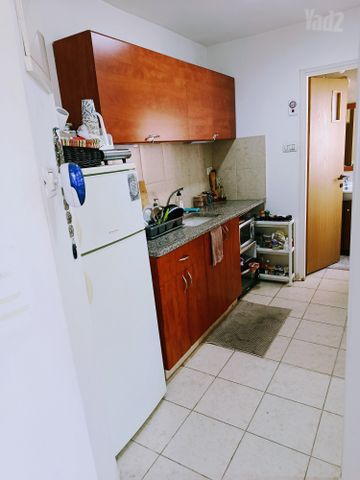
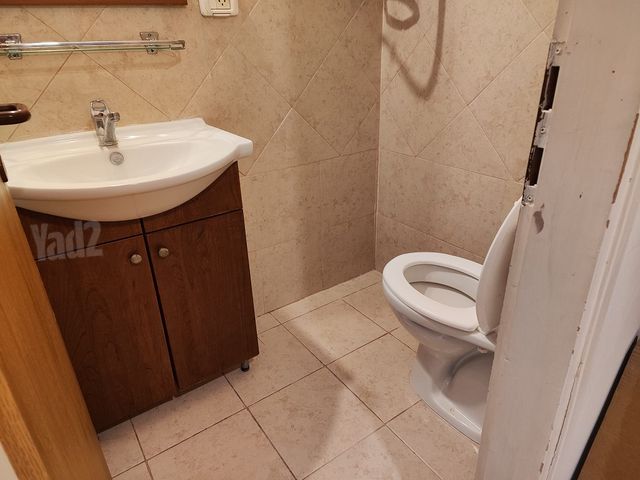
Find your home in Ramat Gan
Sources: CBS localities file 2023, via data.gov.il (population) (2025) · CBS 2022 census, selected data by locality, via data.gov.il (2022) · National Insurance Institute, Ramat Gan (ages, wages) (2026) · Globes, socio-economic ranking (CBS) (2024) · Ministry of Education, list of schools and colleges, via data.gov.il (2026) · Ministry of Aliyah and Integration, new immigrants by city, via data.gov.il (2024) · Nefesh B'Nefesh, Ramat Gan · Meir-Glitzenstein, Between Baghdad and Ramat Gan: Iraqi Jews in Israel (review) · Nadlan Center, Ramat Amidar next to Bnei Brak · Dankal, Tel Aviv light rail Red Line. Illustrations drawn for Vesty. Checked 23 October 2026.
Questions
Buying and renting in Ramat Gan
Neighbourhoods in Ramat Gan
More cities
- Acre
- Afula
- Arad
- Ariel
- Ashdod
- Ashkelon
- Bat Yam
- Be'er Ya'akov
- Beer Sheva
- Bet Shemesh
- Bnei Brak
- Dimona
- Eilat
- Gan Yavne
- Ganei Tikva
- Gedera
- Giv'at Shmuel
- Givat Ze'ev
- Givatayim
- Hadera
- Haifa
- Harish
- Herzliya
- Hod Hasharon
- Holon
- Jerusalem
- Kadima Zoran
- Karmiel
- Kfar Saba
- Kfar Yona
- Kiryat Ata
- Kiryat Bialik
- Kiryat Gat
- Kiryat Malakhi
- Kiryat Motzkin
- Kiryat Ono
- Kiryat Shmona
- Kiryat Yam
- Lod
- Ma'ale Adumim
- Ma'alot-Tarshiha
- Mevaseret Zion
- Migdal HaEmek
- Modiin Maccabim Re'ut
- Nahariya
- Nesher
- Ness Ziona
- Netanya
- Netivot
- Nof HaGalil
- Ofakim
- Or Akiva
- Or Yehuda
- Pardes Hanna-Karkur
- Petah Tikva
- Ra'anana
- Ramat HaSharon
- Ramla
- Rehovot
- Rishon LeZion
- Rosh Haayin
- Safed
- Sderot
- Tel Aviv-Yafo
- Tiberias
- Tirat Carmel
- Yavne
- Yehud Monosson
- Zikhron Ya'akov